Rainbowberry: A Burst of Color for Bold Design Projects
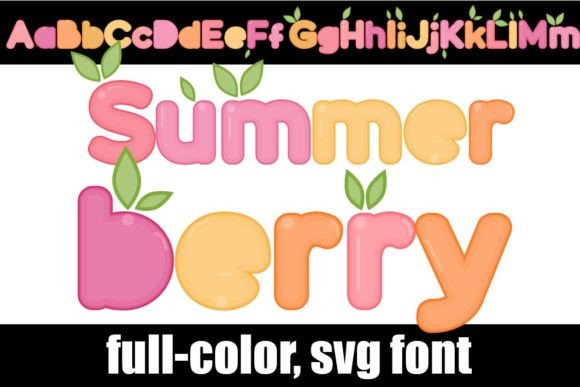
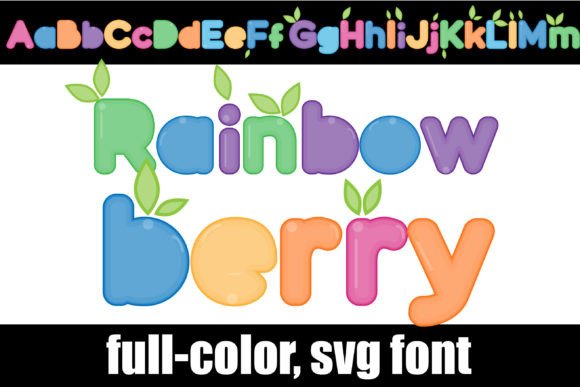
Imagine a typeface that doesn't just sit on the page but practically leaps off it. That's the immediate impression of Rainbowberry. It’s a full-color font, but describing it that way feels a bit clinical. In reality, it’s a vibrant, playful statement. Each letter is crafted with a gradient of rainbow hues, transitioning smoothly from one color to the next. The forms themselves have a soft, almost organic quality, reminiscent of plump berries, with subtle leaf-like accents that add a touch of nature-inspired whimsy. This isn't a font for whispering; it's for announcing, celebrating, and grabbing attention with a confident, joyful energy.
Where This Color Font Truly Shines
Rainbowberry is a specialist. Its power lies in its ability to inject instant personality and visual interest where a standard black or single-color font would fall flat. Think of it as a design asset for moments that need to feel festive, youthful, or exceptionally creative. It’s a fantastic choice for logo design for children's brands, artisan bakeries, or indie cosmetics companies. The berry-like texture and rainbow palette suggest natural ingredients, fun, and a handmade touch.
Beyond logos, consider its application in packaging design. A product name set in Rainbowberry on a label for jams, candies, or bath bombs can instantly communicate the product's playful spirit. In the realm of digital content, it’s a powerhouse for social media graphics. A sale announcement, a podcast title card, or a motivational quote rendered in Rainbowberry will stop the scroll far more effectively than a standard font. It’s also surprisingly effective for short, impactful headlines in editorial design—imagine a magazine feature on summer festivals or a blog header about creative hobbies. For personal projects, it’s a dream for party invitations, greeting cards, and scrapbooking, where its vibrant character adds a layer of handmade charm.
Practical Considerations for Using a Display Font
Working with a premium font like Rainbowberry requires a bit of strategic thinking. Its very strength—its bold, colorful personality—means it’s best used as an accent, not the main body of your text. Using it for long paragraphs would overwhelm the eye and hurt readability. This is where font pairing becomes essential. Rainbowberry needs a calm, understated partner to create balance. Pair it with a clean sans serif font for body text, or even a simple serif font for a more editorial contrast. The goal is to let Rainbowberry headline the show while its partner provides clear, comfortable reading.
As an OpenType full-color (SVG) font, Rainbowberry installs like any other .otf file. However, its display depends on software support. It will appear as a standard black outline in older or incompatible programs. You’ll know your application supports it when the color appears as you type. Major players like Adobe Photoshop, Illustrator, and InDesign, as well as Silhouette Studio and Quark, handle these color fonts beautifully. Always test the font in your specific project environment before committing to a final design.
Making the Most of Your Investment
Before diving in, consider the project's scope and audience. Rainbowberry speaks a specific visual language—fun, vibrant, and a bit whimsical. Ensure that aligns with your brand identity and the message you want to convey. It’s perfect for a creative font selection for a kids' clothing line but might feel out of place for a law firm's website.
Take advantage of the included character map. The description mentions an alt case of additional colors. This is a valuable feature, giving you more flexibility to match specific color palettes in your branding or design. Experiment with these alternates to see how they interact with your other design elements. Always check the licensing for your intended use. Most commercial font licenses cover a wide range of applications, from digital to print, but it's crucial to confirm it covers your specific project, especially for large-scale commercial use. In the end, Rainbowberry isn't just a typeface