Dog Tag Font: A Creative Asset for Rugged Design
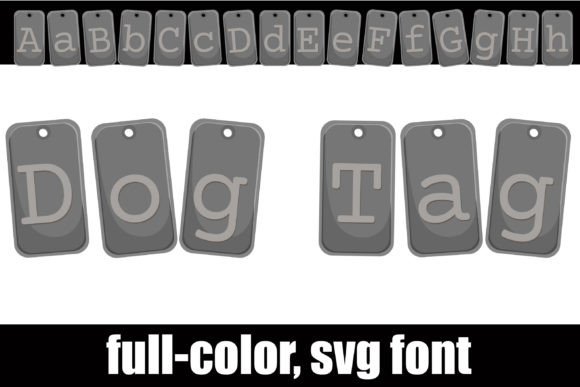
In the world of design, finding a typeface that carries genuine personality can be a game-changer. The Dog Tag font is one of those unique finds. It’s not just another set of letters; it’s a full-color SVG font that brings a distinct, rugged aesthetic to any project. Imagine the iconic courier-style lettering you’d see stamped on military identification tags, now rendered in vibrant, customizable color right on your canvas. This is where Dog Tag shines, offering a blend of nostalgic authenticity and modern typographic capability.
Understanding the Dog Tag Typeface
At its core, Dog Tag is a premium display font designed for impact. Its visual characteristics are unmistakable: blocky, utilitarian letterforms that mimic the impression of metal stamping. The personality is bold, strong, and slightly industrial, making it ideal for projects that need to convey durability, authenticity, or a touch of vintage charm. What sets it apart is its full-color SVG format. Unlike traditional fonts, each character is a tiny vector illustration, allowing for realistic metallic textures, shadows, and multi-tonal effects directly within the font file.
The font’s appeal lies in its versatility. It’s a creative font that can anchor a brand identity with a sense of history or add a playful, tactile element to social media graphics. The inclusion of alternate characters, accessible via your system’s character map, provides even more design flexibility. You can subtly shift the slant or position of individual letters to create a more organic, hand-stamped look, avoiding a rigid, uniform appearance. This feature is invaluable for designers seeking to add a layer of authenticity to logos, apparel designs, or packaging.
Where Dog Tag Truly Shines: Practical Applications
Choosing the right context is key to leveraging any display font effectively. Dog Tag excels in scenarios where its unique character can be appreciated without compromising readability. Here’s where it works best:
- Logo Design and Brand Identity: For brands in the outdoor, adventure, craft brewery, or automotive sectors, Dog Tag can become the cornerstone of a strong visual identity. It instantly communicates ruggedness and reliability. Pair it with a clean sans serif font for body text to ensure balance and professionalism.
- Editorial and Packaging Design: Use it for headlines in magazines, book covers, or product packaging that aims for a vintage or industrial feel. Think artisanal food labels, tool packaging, or specialty coffee branding. The full-color effect can mimic stamped foil or embossed textures, adding perceived value.
- Digital and Social Media Graphics: In the fast-scrolling world of social media, a bold, colorful headline can stop the thumb. Dog Tag is perfect for creating eye-catching YouTube thumbnails, Instagram story graphics, or promotional banners. Its vector nature ensures it looks crisp on any screen size.
- Personal and Commercial Projects: Crafters and hobbyists will find it ideal for creating custom apparel, decals, or signage. For commercial use, it’s a powerful asset for creating merchandise, event posters, or themed marketing materials. Always verify the specific license terms for your intended use.
Integrating Dog Tag Into Your Design Workflow
Adopting a new font, especially a color font, requires a thoughtful approach. First, installation is straightforward. Treat the Dog Tag .otf file like any other font; install it via FontBook on a Mac or through your font manager or Control Panel on Windows. A crucial point to remember: full-color SVG fonts will appear as solid black in software that doesn’t support the SVG format. You’ll know your program is compatible when you see the colors rendered as you type. Leading applications like Adobe Illustrator, Photoshop, InDesign, Silhouette Studio, and QuarkXPress currently offer full support.
When evaluating if Dog Tag fits your project, consider the mood and audience. Its style is specific, so it’s not the best choice for long-form body copy or highly formal corporate communications. Instead, think of it as a strategic accent. Test font pairings early in your design process. Combining Dog Tag with a simple serif font can create an elegant, vintage contrast, while pairing it with a geometric sans serif reinforces a modern, industrial vibe.
Pay close attention to readability at small sizes. While the detailed lettering is part of its charm, it can become cluttered when scaled down. Use it for headlines, titles, or single words where its character can be fully expressed. Finally, if you’re using it for a client project or commercial product, review the licensing details carefully to ensure it covers your specific application, whether for digital goods, printed merchandise, or broadcast media.
Ultimately, the Dog Tag font is more than just a typeface; it’s a design asset with a strong point of view. By understanding its strengths and applying it thoughtfully, you can harness its unique blend of color, texture, and personality to create memorable designs that resonate with your audience and elevate your brand’s visual storytelling.